BACK
BACK



Aircraft leasing has always been a fast-paced operating environment, however with the introduction of AI there has been a further increase in speed, complexity, and precision of decision-making, enabling companies to optimise fleet management, pricing strategies, and risk assessment in real time.
For cloudcards this has come as no surprise and Founder/CTO Barry Fitzgerald, has been on an eight year journey embracing the benefits of AI within the cloudcards technology.
In aircraft leasing, where a single missing maintenance record or a misinterpreted clause can cost millions, “moving fast and breaking things” is not a viable strategy. At cloudcards, our work with Artificial Intelligence began in 2018. It wasn’t about following a trend; it was a practical necessity to handle the industry’s massive amounts of unstructured data.
Over the last eight years, we have moved carefully from basic text extraction to a sophisticated system of specialised AI agents. Here is how that technical journey evolved.
Phase I: Solving the Data Problem
Our initial focus was on the “Data Gravity” challenge. Aircraft leasing produces a huge volume of paperwork. Partnering with Box.com and IBM, we built a prototype model with pipelines for OCR (Optical Character Recognition) and NLP (Natural Language Processing).
The goal was to turn thousands of PDFs and scanned documents into searchable, structured data. Using early cognitive APIs, we moved beyond simple keyword searches to identify specific entities like part numbers, dates, and signatures across varied document types. This phase was defined by cautious validation, ensuring the data met the strict standards required by our customers in aviation.
Phase II: Scaling with Hyperscalers
As the technology evolved, we updated our architecture. We began working more closely with Google Cloud and Microsoft Azure to use their evolving Large Language Models (LLMs) and advanced processing power.
During this time, we moved from simply extracting and indexing data to interpreting it. It wasn’t enough to find a “redelivery clause”; the system needed to understand what that clause meant for the whole lease. By using transformer-based models, we developed the framework for one of our latest products lnsights iQ, which allows for complex reporting across entire global fleets.
Phase III: The Move to AI Agents
Today, we have embraced AI and have progressed from building tools to creating Asset, Lease, and System Agents. Our architecture has advanced from passive data processing to active, goal-oriented automation across our product range.
Cloudcards Asset Agent: This monitors the technical health and compliance of an aircraft, spotting gaps in maintenance data before they cause delays and alerting the technical team for investigation.
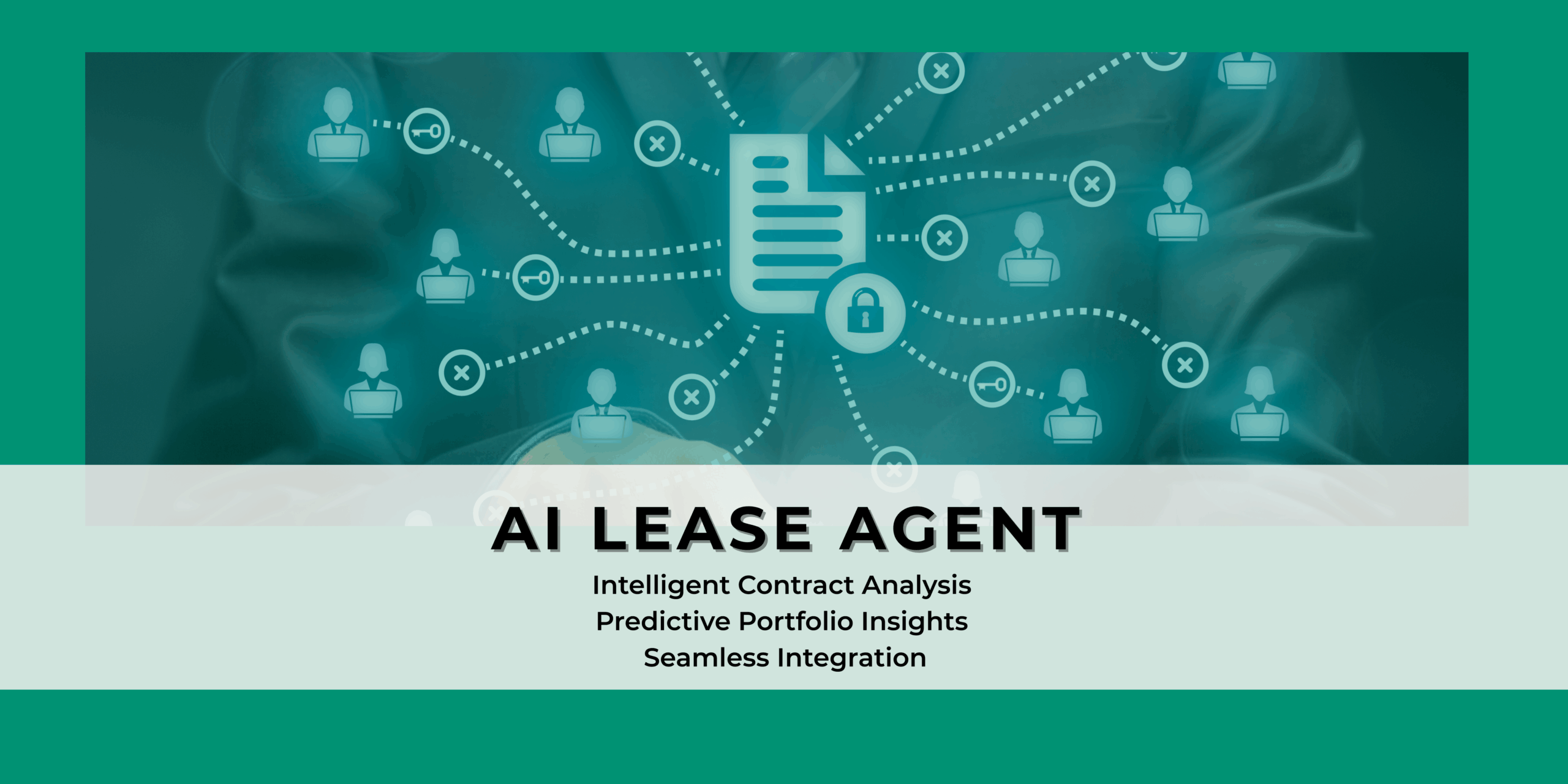
Cloudcards Lease Agent: This acts as a bridge between legal requirements and daily operations, analysing complex multi document linked requirements and reports in real-time.
Cloudcards System Agent: This manages the flow of data across our entire platform, ensuring that insights found in technical records are immediately reflected in financial and commercial forecasts.
Our Approach: Purpose-Built Innovation
Our eight-year history shows a commitment to domain-specific AI.
General models aren’t enough for the details of aviation. Our tools use an “AI-in-the-Loop” approach, where AI agents do the heavy lifting of data analysis while giving technical teams the transparency they need for total certainty.
We aren’t just building chatbots; we are architecting an intelligent layer for the entire asset lifecycle. By moving steadily from text extraction to full system agents, we have improved efficiency without compromising technical standards.
For more information on the integration of AI and the suite of cloudcards solutions contact sales@cloudcards.ie or www.cloudcards.ie